
Regulating Data Centers
The rapid expansion of data centers represents an enormous threat to our local and global climate and environmental goals. In the absence of robust energy and water use regulation, which is almost always far too lenient, permitting additional data centers will worsen climate change and increase fossil fuel consumption, in addition to immediate negative consequences for communities such as rising power costs, water stress, and environmental damage.
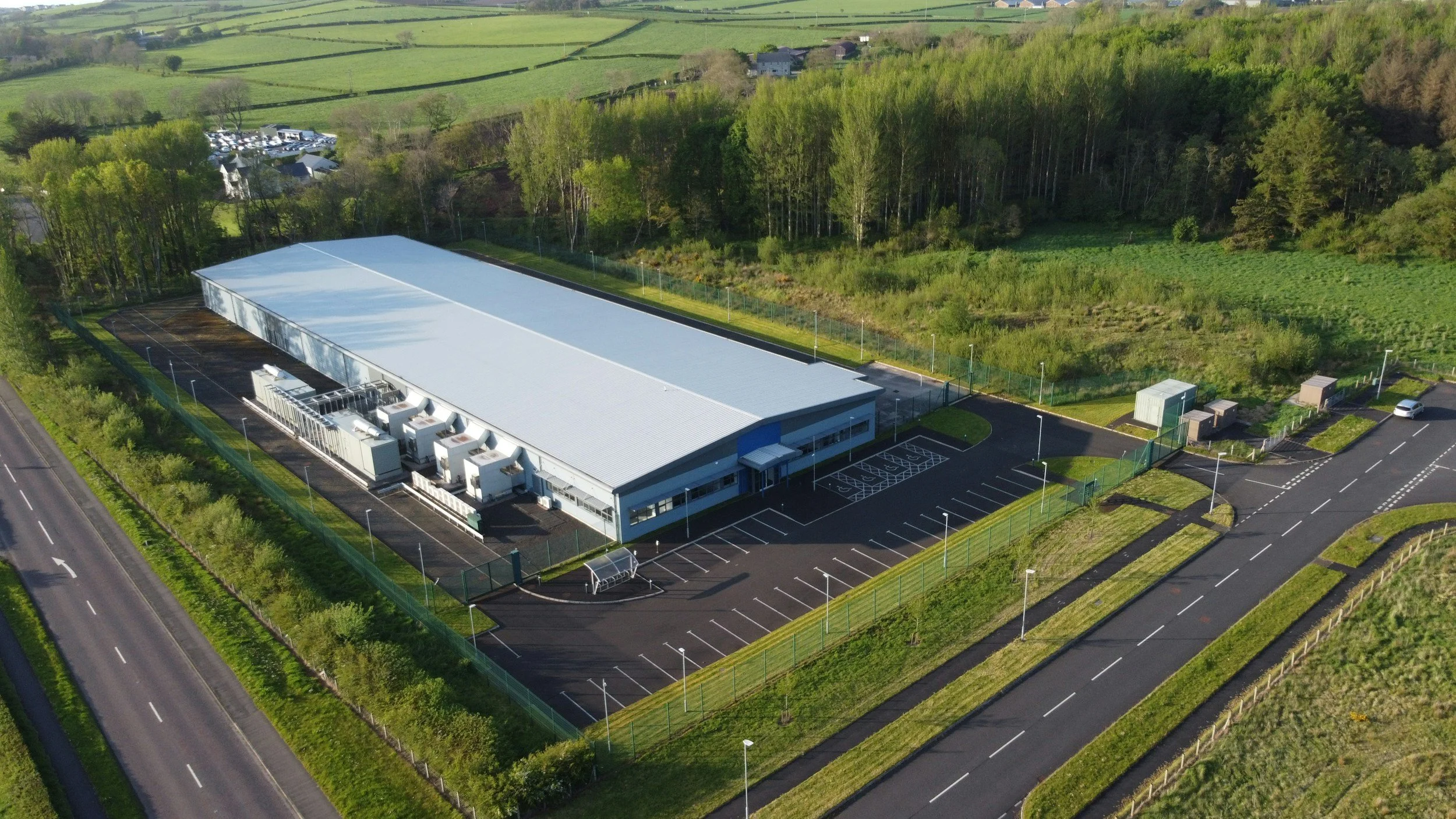
Regulating Data Centers
By ending ‘by right’ zoning approval and stringently regulating energy and water use, communities can avoid or limit potential damage. Prohibiting construction ‘by right’ gives municipal governments the full ability to approve or deny data centers in their communities and gives them leverage in negotiations with developers. Local governments can also ban data centers entirely. Impacts of any data centers that are permitted can be reduced by mandating clean energy use, requiring greater energy efficiency, protections for utility ratepayers from higher energy costs, and water conservation.
Additional measures include prohibiting non-disclosure agreements to ensure transparency and proactively drafting community benefit agreements to maximize investment in the surrounding community from data center development.
Additional Resources on Regulating Data Centers:
Local Climate Policy Toolkit: Regulating Data Centers
ROC Policy Brief: Local Data Center Regulation – Issues and Provisions
Public Citizen: Reining in Big Tech: Policy Solutions to Address the Data Center Buildout
Urban Land Institute: Local Guidelines for Data Center Development (link to report)
Articles from the Environmental and Energy Study Institute: Data Center Energy Needs Could Upend Power Grids and Threaten the Climate & Data Centers and Water Consumption
York County Planning Commission: Model Data Center Ordinance
Columbia Law School: Community Benefits Agreements Database